

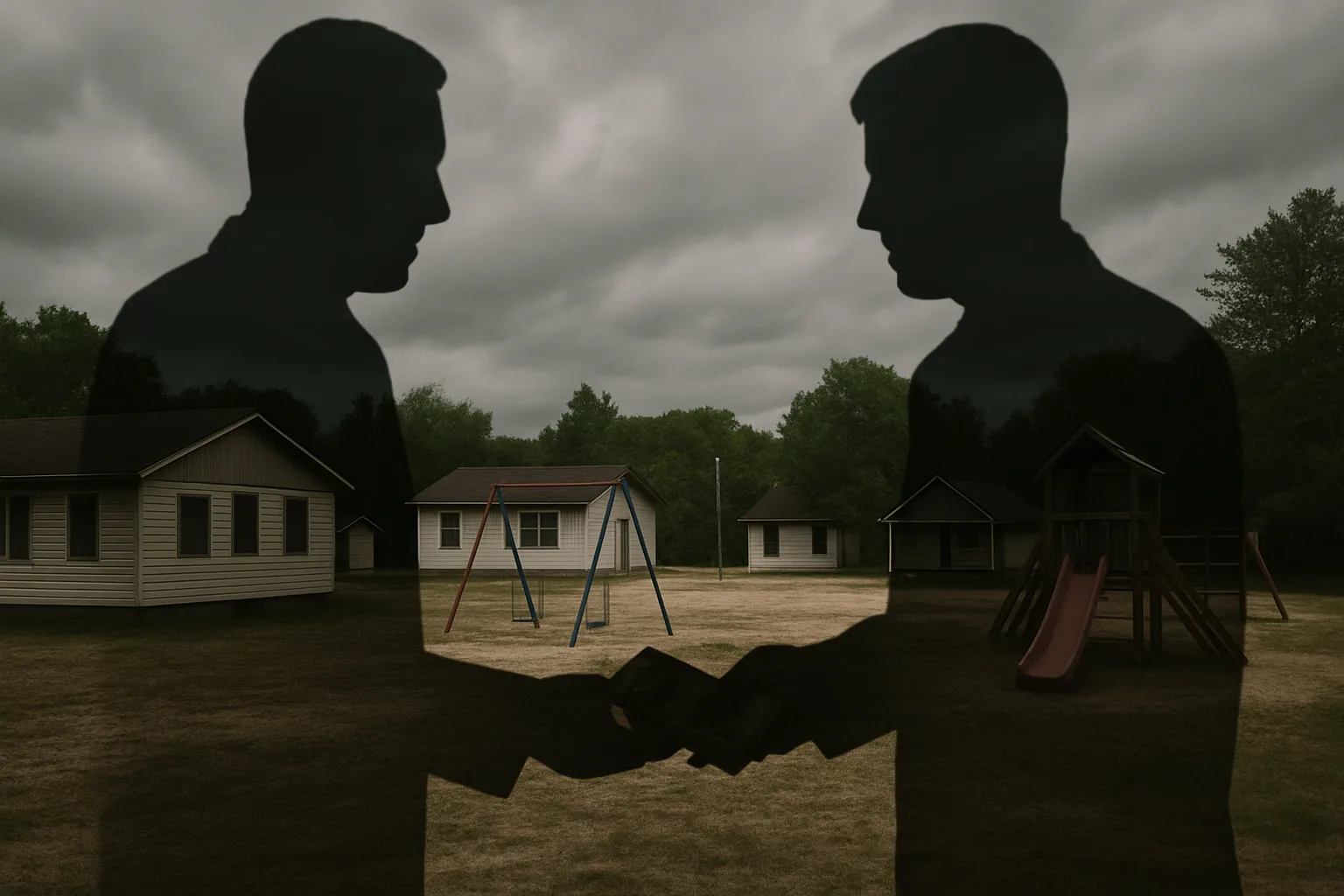
The Camp King fraud case has drawn national attention as federal prosecutors allege the company illegally secured over $13 million in COVID relief funds. This scandal has sparked concern across the summer camp industry, as investigators detail how Camp King and its former owners manipulated federal aid programs meant to support struggling businesses during the pandemic.
Between falsified loan documents and bankruptcy filings, the Camp King fraud investigation highlights the growing problem of COVID relief fund scams. For parents, employees, and business owners, understanding the details of this $13 million COVID fraud case is essential for recognizing red flags and protecting against similar schemes in the future.
What Is the Camp King Fraud Case?
Camp King, once a respected operator of 26 summer camps, now faces federal COVID relief charges after prosecutors accused the company of systematically lying to obtain pandemic-related funds. According to court documents, Camp King’s ownership filed multiple loan applications with false information, inflating payroll numbers and concealing financial instability.
The fraudulent activity focused on the Payroll Protection Program (PPP) and Economic Injury Disaster Loans (EIDL), two of the largest federal relief efforts rolled out in 2020. Camp King’s strategy allegedly involved submitting overlapping or duplicate applications across their camp portfolio, exaggerating employee counts, and misrepresenting operational expenses. These tactics allowed them to secure more than $13 million in summer camp COVID loans between April and November 2020.
Federal agents began investigating the company after noticing inconsistencies in financial records and reports from former employees. The case culminated in a multi-state raid and the bankruptcy of Camp King LLC. The charges against the owners include wire fraud, bank fraud, and conspiracy to commit fraud—serious accusations that can carry decades-long prison sentences if convicted.
How the $13 Million COVID Relief Scam Worked
Prosecutors allege that Camp King’s leadership intentionally exploited the urgency and scale of COVID relief programs. With thousands of small businesses applying for aid, oversight was limited and funding was distributed quickly. This created opportunities for sophisticated fraud schemes like the one uncovered at Camp King.
The main steps in the COVID loan fraud case included:
- Filing multiple PPP and EIDL applications using different business entities for each camp location
- Inflating payroll numbers by counting non-existent or seasonal workers as full-time employees
- Providing forged tax documents and fake bank statements to support loan requests
- Shuffling funds between camp accounts to obscure financial activity from auditors
Federal investigators say that, by the time the fraud was detected, Camp King had already spent large portions of the relief funds on executive bonuses, new vehicles, and real estate investments—none of which qualified as legitimate pandemic-related expenses. The rest of the money vanished as the company declared bankruptcy, leaving employees unpaid and thousands of families without refunds for cancelled camp sessions.
The Scale of Summer Camp COVID Loan Fraud
Camp King’s case stands out due to its size, but it is not unique. The FBI and Small Business Administration (SBA) have identified more than 700 summer camp COVID loans flagged for further review nationwide. Since the start of the pandemic, fraud analysts estimate that up to 15% of all COVID relief funds may have been distributed based on false or misleading information.
The table below shows a comparative summary of high-profile COVID loan fraud cases involving summer camps and related businesses:
| Case Name | Amount Defrauded | Number of Loans | Status |
|---|---|---|---|
| Camp King Fraud | $13,200,000 | 32 | Charges Filed, Bankruptcy |
| Greenwood Summer Camps | $2,900,000 | 8 | Plea Deal |
| Pine Ridge Day Camp | $1,100,000 | 3 | Ongoing Investigation |
| Lakeshore Adventure LLC | $640,000 | 2 | Convicted |
The Camp King fraud case’s sheer size—more than $13 million and 32 separate fraudulent loans—underscores the potential for abuse when relief funds are distributed with limited controls. These incidents have prompted the SBA and Department of Justice to ramp up audits and enforcement in the summer camp sector.
Warning Signs and Red Flags for COVID Relief Fund Scams
For parents, staff, and business partners, recognizing the warning signs of a COVID relief fund scam is critical. The Camp King fraud case exposed a pattern of activity that can serve as a guide for identifying potential risks.
Common red flags seen in the Camp King and other COVID loan fraud cases include:
- Sudden expansion or acquisition of assets during economic downturns
- Unusually high payroll claims or employee counts relative to business size
- Lack of transparency in financial reporting or resistance to audits
- Frequent changes in corporate ownership or structure
- Delayed or missing payments to vendors and staff
- Refund delays or cancellations for customers
If you encounter any of these signs at a summer camp or similar business, it’s wise to ask questions, request documentation, and consult public records. The SBA’s searchable database allows anyone to review which businesses received COVID relief funds and the amounts disbursed.
Legal Consequences for Camp King and Industry Impact
The federal COVID relief charges against Camp King’s owners carry serious penalties. Wire fraud and bank fraud convictions each bring up to 30 years in federal prison, along with substantial fines and mandatory restitution. Prosecutors are also seeking to claw back any illegally obtained assets—estimates suggest less than 30% of the $13 million may be recoverable due to bankruptcy proceedings.
Beyond the courtroom, the Camp King fraud case has had a chilling effect on the summer camp industry. Many camps now face tighter scrutiny during loan applications and routine audits. According to the American Camp Association, over 100 camps have undergone surprise inspections since 2022, and 14 have faced civil penalties for misusing relief funds.
For legitimate camp operators, increased oversight means more paperwork and slower loan processing—but it also protects the industry’s reputation and the public’s trust. Transparency, regular financial audits, and clear communication with stakeholders have become essential best practices.
How Parents and Employees Were Affected
The fallout from the Camp King fraud extended far beyond the company’s leadership. When the business declared bankruptcy, more than 7,000 families lost deposits or prepaid tuition for cancelled camp sessions. Many parents reported being unable to contact administrators or receive updates, with some waiting months for refunds that never arrived.
Employees were similarly impacted. Dozens of camp counselors and staff were left unpaid for weeks of work in 2020, with some reporting bounced paychecks and lack of access to unemployment benefits due to false employment records. The ripple effect spread to local vendors and contractors who provided food, transportation, and medical supplies to Camp King locations.
Class action lawsuits have been filed against Camp King’s owners and affiliated companies, seeking restitution for lost wages and unreimbursed camp fees. While the bankruptcy process continues, the chances of full repayment remain slim due to the scale of the losses and the complexity of the case.
Frequently Asked Questions
What exactly is the Camp King fraud?
The Camp King fraud refers to a scheme in which the owners of Camp King, a group operating 26 summer camps, allegedly lied on federal COVID relief fund applications to secure over $13 million in aid. Prosecutors say they inflated payroll numbers, used false documents, and diverted funds for personal use while leaving employees and families unpaid.
How did Camp King get caught?
Federal investigators noticed discrepancies in Camp King’s loan applications and financial records. Whistleblowers, including former employees, reported suspicious activity. The investigation revealed a pattern of submitting multiple loan applications with false information, eventually leading to charges and bankruptcy.
What are the penalties for COVID loan fraud?
Convictions for wire fraud and bank fraud can result in up to 30 years in federal prison, along with hefty fines and mandatory repayment of stolen funds. In Camp King’s case, prosecutors are also seeking to recover assets purchased with fraudulent loans.
What should parents look out for when enrolling in a summer camp?
Parents should look for transparency in business operations, clear refund policies, and regular communication. Checking a camp’s standing with the Better Business Bureau and reviewing SBA records for COVID relief loans can provide added peace of mind.
How can legitimate camps prove compliance with relief fund rules?
Legitimate camps should maintain detailed payroll records, submit to independent financial audits, and ensure all relief funds are used for approved purposes such as payroll, rent, and utilities. Open communication with stakeholders and prompt responses to refund requests also support compliance.
Conclusion
The Camp King fraud case underscores the risks associated with rapid emergency relief funding and the importance of vigilance for everyone involved with summer camps. While the majority of camps operated honestly during the pandemic, high-profile cases like this can damage trust and leave families and employees in difficult situations. If you’re considering a summer camp or are involved in camp operations, take the time to verify credentials, review financial practices, and report any suspicious behavior. Staying informed about COVID loan fraud cases not only protects your investment but also helps uphold the integrity of the camp industry. For updates on the Camp King case and advice on avoiding scams, subscribe to our newsletter and stay one step ahead.