
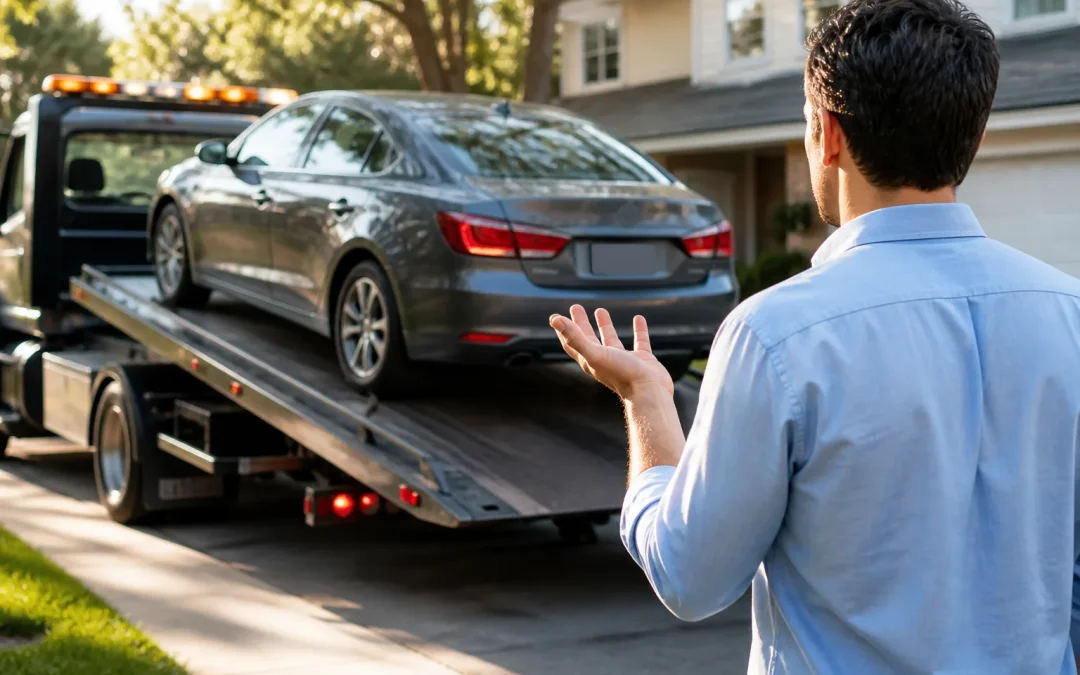
If you are behind on a car loan, you may be asking: can bankruptcy stop car repossession in Florida? In many cases, yes—if the bankruptcy case is filed before the lender takes the vehicle. A bankruptcy filing triggers the “automatic stay,” a court order that generally stops collection activity, including repossession efforts, lawsuits, wage garnishments, and creditor calls.
That protection can be powerful, but it is not a permanent fix by itself. What happens next depends on whether you file Chapter 7 or Chapter 13, how far behind you are, whether the car has already been repossessed, and whether you can afford to keep making payments.
How Florida Car Repossession Laws Work
Under Florida car repossession laws, a lender usually does not have to sue you before repossessing a vehicle after default. If your loan contract allows repossession after missed payments, the lender may use “self-help” repossession as long as it does not breach the peace. That generally means the repo agent cannot use threats, force, or unlawful entry.
After repossession, the lender typically may sell the vehicle and apply the sale proceeds to the loan balance, repossession costs, and related fees. If the sale does not cover the full debt, you may still owe a deficiency balance. Bankruptcy may help address that remaining debt, depending on the chapter filed and your circumstances.
How Bankruptcy Stops Repossession
When a bankruptcy petition is filed, the automatic stay takes effect immediately in most cases. If the lender has not yet repossessed the car, it must stop collection and repossession activity unless it gets permission from the bankruptcy court to proceed.
This can give you breathing room, but you must act quickly. Waiting until the tow truck arrives—or until the vehicle is already gone—can make your options more limited and more expensive.
Chapter 13: A Common Tool for Saving a Vehicle
For many people who want to keep their car, Chapter 13 is the stronger option. It allows you to reorganize debt through a repayment plan that usually lasts three to five years.
Chapter 13 car loan arrears can often be included in the repayment plan. Instead of paying all missed payments at once, you may be able to catch up over time while continuing to make required ongoing payments. In some cases, the plan may also address late fees, repossession-related charges, or other secured debt issues.
Chapter 13 may help if:
- You are behind on payments but still need the vehicle for work, school, or family obligations.
- You can afford regular payments going forward, but not the full past-due amount immediately.
- You are trying to stop repossession before it happens.
- You have other debts—such as credit cards, medical bills, or personal loans—that also need to be reorganized.
In some cases, Chapter 13 may allow a debtor to reduce the secured balance on a vehicle to its current value, but special rules apply, especially for newer car loans. A North Florida bankruptcy lawyer can review whether that option is available based on when the vehicle was purchased and how the loan is structured.
Chapter 7 and Vehicle Repossession
Chapter 7 and vehicle repossession work differently. Chapter 7 is designed to wipe out qualifying unsecured debts, but it does not create a long-term repayment plan to catch up on missed car payments.
If you are current on your car loan and can afford the payments, you may be able to keep the vehicle by continuing to pay and, in some cases, signing a reaffirmation agreement. A reaffirmation agreement keeps you personally liable on the car loan after bankruptcy, so it should be considered carefully.
If you are behind on the loan, Chapter 7 may temporarily stop repossession through the automatic stay, but the lender can ask the court for permission to repossess if payments are not brought current or another arrangement is not made. Chapter 7 may still help by eliminating other debts, freeing up income for car payments, or discharging a deficiency balance after repossession.
Can You Get the Car Back If It Was Already Repossessed?
If the vehicle has already been repossessed but not yet sold, bankruptcy may still help in some situations. However, this area is time-sensitive and legally complex. The lender may argue it does not have to return the vehicle unless certain conditions are met, such as proof of insurance, adequate protection, or treatment of the loan through a Chapter 13 plan.
The key point is that you should not delay. Once the car is sold, getting it back is usually much harder, and your bankruptcy options may shift toward addressing the deficiency balance rather than recovering the vehicle.
Redeeming a Car in Bankruptcy
Another option in Chapter 7 is to redeem a car in bankruptcy. Redemption allows you to keep the vehicle by paying the lender the car’s current replacement value in one lump sum, rather than the full loan balance. This can be useful if the vehicle is worth much less than what you owe.
The drawback is that redemption usually requires immediate funds or specialized financing. It is not realistic for everyone, but it can be a valuable option in the right case.
Steps to Take If You Are Facing Repossession
- Review your loan status. Find out how many payments are missed, the total arrears, and whether repossession has been assigned.
- Do not hide the vehicle. This can create additional legal and financial problems.
- Gather documents. Collect the loan contract, payment history, insurance information, repossession notices, and any letters from the lender.
- Consider Chapter 13 quickly. If keeping the car is the goal, filing before repossession often gives you the best chance.
- Speak with a bankruptcy attorney. A local lawyer can explain how North Florida bankruptcy courts typically handle vehicle issues and lender motions.
The Bottom Line
Bankruptcy can stop a car repossession in Florida, but timing matters. Chapter 13 may allow you to catch up on missed payments and keep the vehicle, while Chapter 7 may offer temporary protection or help with debt after repossession. If your car is at risk, getting legal advice before the lender acts can make a major difference in your available options.