
Introduction
In today’s economic climate, many individuals and families face overwhelming financial challenges. Understanding how to navigate these challenges is critical, especially when considering options such as bankruptcy and debt relief. This comprehensive guide will provide insights into bankruptcy, debt relief options available in North Florida, qualifying criteria for bankruptcy, the bankruptcy process, and what to consider after filing. By the end, readers should have a clear understanding of their options for managing debt, particularly within the context of North Florida’s legal framework.
Understanding Bankruptcy
What is Bankruptcy?
Bankruptcy is a legal process that provides individuals or businesses an opportunity to eliminate or repay their debts under the protection of the federal bankruptcy court. This process aims to give a ‘fresh start’ to those overwhelmed by financial obligations. While many view bankruptcy as a last resort, it can also serve as a strategic financial tool for individuals looking to regain control over their economic situation.
There are various forms of bankruptcy, each designed for different financial circumstances. Understanding the specifics of each type is crucial for making informed decisions about which path to take.
Types of Bankruptcy
In the United States, the most common types of bankruptcy filings for individuals are Chapter 7 and Chapter 13. Chapter 7 bankruptcy, often referred to as liquidation bankruptcy, involves the sale of non-exempt assets to pay off creditors. This type often allows for the discharge of most unsecured debts, such as credit cards and medical bills.
On the other hand, Chapter 13 bankruptcy, also known as reorganization bankruptcy, allows individuals to retain their assets while creating a repayment plan to pay off debts over a period of three to five years. Each option has its advantages and limitations, and the choice depends on individual circumstances.
Common Misconceptions about Bankruptcy
Many people harbor misconceptions about bankruptcy that can deter them from considering it as an option. One common myth is that filing for bankruptcy means losing all personal assets. While there are exemptions that allow individuals to protect certain property, the specifics can vary greatly by state.
Another misconception is that bankruptcy will permanently ruin one’s credit score. While it is true that a bankruptcy filing can impact credit ratings, many individuals find they can rebuild their credit over time and make significant improvements within a few years of discharge.
Debt Relief Options
Debt Settlement
Debt settlement involves negotiating with creditors to reduce the total amount owed. This process typically requires a lump-sum payment that is less than the total debt. While it can be an effective way to manage debt, it often has a negative impact on one’s credit score.
Individuals looking into debt settlement should thoroughly research and consider professional services to ensure they are not falling victim to scams. It’s also essential to understand the potential tax consequences of forgiven debt, as it may be considered taxable income.
Credit Counseling
Credit counseling is a service that helps individuals understand their financial situation and develop a plan to manage their debts. Unlike debt settlement, credit counseling does not involve negotiating with creditors directly. Instead, it focuses on education and creating a budget.
Many credit counseling agencies offer free or low-cost services and can provide valuable resources to those seeking to improve their financial literacy. They can also assist in developing debt management plans that may include negotiating lower interest rates or payment terms with creditors.
Debt Management Plans
A debt management plan (DMP) is a structured repayment program set up by credit counseling agencies. In a DMP, individuals make a single monthly payment to the counseling agency, which in turn pays creditors on behalf of the individual. This can simplify the repayment process and potentially lower interest rates.
While DMPs can provide a manageable way to pay off debt, they often require individuals to close credit accounts. This can have a temporary negative impact on credit scores. However, successfully completing a DMP can ultimately lead to improved financial health.
Alternatives to Bankruptcy
For those who may not want to file for bankruptcy, there are several alternatives. These include negotiating new payment terms with creditors, consolidating debts through personal loans, or utilizing peer-to-peer lending platforms. Each of these options can offer relief while avoiding the repercussions of a bankruptcy filing.
Additionally, exploring community resources, such as financial education programs, can provide individuals with the tools to manage their finances more effectively. Building a strong financial foundation can be the best form of debt relief.
Qualifying for Bankruptcy in North Florida
Eligibility Criteria
To qualify for bankruptcy in North Florida, individuals must meet specific eligibility criteria set out by federal law. These include income, debt limitations, and residency requirements. It is vital to understand these factors before proceeding with a bankruptcy filing to ensure that the process goes smoothly.
For example, Chapter 7 bankruptcy is often subject to a means test, which compares an individual’s income against the median income for a similar household in their state. If an individual’s income is below this median, they typically qualify for Chapter 7. If not, they may need to explore Chapter 13 bankruptcy as an alternative.
The Means Test Explained
The means test is a crucial component of determining eligibility for Chapter 7 bankruptcy. It assesses the filer’s monthly income, expenses, and family size to establish whether they can pay back a portion of their debts. The test has two parts; first, it compares the debtor’s income to the median income level in Florida. Should the debtor’s income be above the median, the second part analyzes monthly expenses to evaluate disposable income available for debt repayment.
Understanding how to navigate the means test is essential, as failing to meet its criteria could lead to a denial of Chapter 7 bankruptcy and compel individuals to consider a repayment plan under Chapter 13 instead.
Exemptions in Florida Bankruptcy
Florida has specific exemptions that allow filers to protect certain assets during bankruptcy proceedings. Common exemptions include equity in a primary residence (up to a specific limit), personal property, and retirement accounts. This exemption framework is crucial for many individuals as it allows them to retain essential assets even while discharging debts.
It’s important for anyone considering bankruptcy to consult with a knowledgeable attorney who can provide guidance on maximizing exemptions and minimizing loss of assets in the bankruptcy process.
The Bankruptcy Process
Filing for Bankruptcy
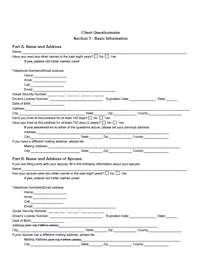
The process of filing for bankruptcy begins with gathering extensive financial documentation, including debts, income, and expenses. This information is crucial for completing the bankruptcy petition, which outlines the individual’s financial situation.
Once the petition is filed with the bankruptcy court, an automatic stay goes into effect, halting all collections and legal actions against the debtor. This stay offers immediate relief from creditor harassment, allowing individuals to focus on the bankruptcy process.
The Role of the Bankruptcy Trustee
After filing for bankruptcy, a trustee is appointed to oversee the case. The trustee’s role includes reviewing the petition, assessing the debtor’s financial affairs, and ensuring that the bankruptcy process is carried out according to the law. They may also sell non-exempt assets to pay creditors, depending on the type of bankruptcy filed.
It is important for debtors to cooperate with the trustee during this process, as transparency can facilitate smoother proceedings and prevent complications or delays in debt discharge.
Discharge of Debts
The ultimate goal of bankruptcy is the discharge of debts, which releases individuals from personal liability for certain debts. In Chapter 7 bankruptcy, the discharge typically occurs about three to six months after filing, while Chapter 13 discharges occur after successful completion of the repayment plan, which lasts three to five years.
However, not all debts are dischargeable; certain obligations, such as student loans, alimony, and child support, typically remain payable after bankruptcy. Understanding which debts can be discharged is integral to the bankruptcy decision-making process.
Post-Bankruptcy Considerations
Rebuilding Credit After Bankruptcy
One of the significant concerns for individuals post-bankruptcy is the impact on their credit scores. A bankruptcy filing can remain on a credit report for up to ten years, but it does not mean that individuals cannot rebuild their credit. Many institutions offer secured credit cards or small loans designed specifically for individuals looking to re-establish their creditworthiness.
Additionally, timely payment of bills and maintaining low credit utilization rates can aid in gradually improving credit scores. Engaging in financial literacy education can also empower individuals to make responsible financial decisions moving forward.
Financial Management Strategies
Post-bankruptcy, it is essential to implement sound financial management strategies to avoid falling back into debt. Creating and sticking to a budget, building an emergency fund, and regularly reviewing financial goals are crucial steps in maintaining financial stability.
Moreover, seeking out local resources, such as community financial workshops, can provide ongoing support and education in financial management. Investing time and effort into financial literacy can foster long-term economic health, ensuring that individuals do not repeat past mistakes.
Conclusion
Navigating financial difficulties can be a daunting task, but understanding the options available for debt relief, including bankruptcy, is vital for anyone facing such challenges. This guide has outlined the types of bankruptcy, debt relief alternatives, qualifying criteria, and the process involved in bankruptcy filings in North Florida. With the right knowledge and support, individuals can take steps toward financial recovery and stability.
Resources and Support
Legal Assistance
Finding qualified legal assistance is essential for anyone considering bankruptcy. Local attorneys specializing in bankruptcy law can provide tailored advice and help navigate the complexities of the filing process, ensuring that rights are protected and options are maximized.
Non-Profit Credit Counseling Services
Numerous non-profit organizations offer credit counseling and financial education services. These resources can help individuals understand their rights, develop budgets, and create actionable plans to manage debts effectively.
Helpful Online Resources
Several websites provide valuable information about bankruptcy laws, eligibility, and the filing process. The U.S. Courts website, for example, offers a wealth of information on federal bankruptcy laws and resources for individuals considering filing.
In conclusion, understanding the intricacies of bankruptcy and available debt relief options can empower individuals to make informed decisions when facing financial hardship. With the right support and knowledge, a fresh financial start is possible.